For more than four thousand years, Qigong has been an important part of Chinese culture. It has been widely studied and practiced for many purposes, including supporting physical and mental health, improving martial arts training, and encouraging personal and spiritual development. Qigong uses a variety of methods to cultivate and balance the body’s vital energy, commonly called qi (pronounced "chee").
From a Western point of view, qi can be understood as the dynamic energy that supports the body’s natural processes. This energy is influenced by the food we eat, the air we breathe, and the environment around us. Although there's no exact Western definition of qi, it is often likened to bioelectricity.
Qigong (pronounced “chee-gung”) is an accessible practice that people of all ages and abilities can learn. There are many styles, schools, and traditions of Qigong, each with its own approach and philosophy. At its core, Qigong works with qi, meaning vital energy, and gong, meaning skill developed through regular practice. While even casual practice can be beneficial, consistent practice is important for deeper learning and long-term benefit.
Please note: Qigong is a broad practice with many styles and traditions. The information on this page reflects general principles and may not represent every approach. We honor and respect the diversity of Qigong lineages and teachings.
Qi is the foundation of Chinese medicine theory and Qigong. It is understood as the vital energy that supports life and movement in all living things. Every person, animal, and plant has its own qi field that naturally seeks balance. When qi becomes blocked or weakened, health and vitality can be affected.
According to Chinese medicine, the body has a network of qi channels that carry energy throughout the system. These channels are often described as running alongside the body’s arteries and nerves. Like them, they are protected by muscles and connective tissue.
Qigong works by quieting the mind and directing intention, gentle movement, and correct posture to allow energy to move freely, while regulating the breath to stimulate energy and influence the body. Many practices bring awareness to the abdomen, our lower storage field, and use simple exercises to help qi move more smoothly through the body. Over time, this can improve how energy is generated and used. The effectiveness of this process depends on the integration of body, breath, and mind, often referred to as the three pillars of Qigong.
Qigong is especially effective because it brings together many beneficial practices at the same time. Instead of doing a separate meditation session, breath work session, postural correction session, and energy awareness practice, Qigong allows you to experience the benefits of all of these elements within a single practice.
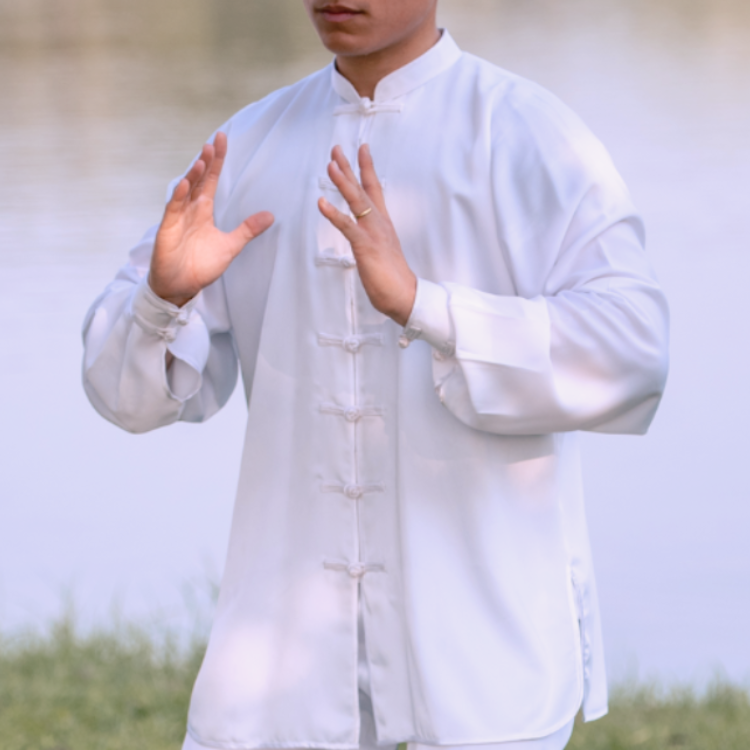
The body provides the structure through which Qigong is practiced. Qigong movements are usually slow, smooth, and intentional. Posture and alignment are just as important as movement itself. When the body is aligned and relaxed, it becomes a clear pathway for qi to circulate. Even small, simple movements can have a strong effect when practiced with consistency and care.
In a basic Qigong posture, weight is evenly distributed through the feet, the knees are gently relaxed, and the pelvis is softly settled, similar to the feeling of beginning to sit on a stool. This creates grounding and stability in the lower body. At the same time, the upper body gently lifts and lengthens by lightly lifting the heart, drawing the chin slightly inward, and lengthening the spine.
When posture is aligned, muscles can relax. If the body is misaligned, muscles tighten to compensate and maintain balance. Relaxed muscles support smooth qi flow, while excess tension can restrict it.
Breath connects the mind and body and supports the rhythm of Qigong practice. Breathing in Qigong is generally natural and unforced, but it is not limited to a single style. In some practices, the breath is slow and quiet. In others, it may be quicker, more active, or intentionally patterned. Breath may be coordinated with movement or practiced on its own during stillness.
Breath also anchors awareness in the present moment. We cannot breathe in the past or the future, only in the present. By placing attention on the breath, awareness naturally returns to the here and now, helping to steady the mind and support focus during practice. In Qigong, breath is understood as one of the primary ways qi enters the body, along with nourishment from food. Breath plays a unique role because it can be experienced both consciously and unconsciously, allowing practitioners to influence internal processes through simple awareness.
The mind plays a central role in Qigong. Practitioners use focused attention to direct awareness within the body. This is not imagination or visualization, but the use of clear, directed intent.
This principle is reflected in the ancient Chinese character Yi, often translated as intention. Yi can be understood as “bringing Qi to mind,” emphasizing that where awareness is placed, qi follows. In Qigong training, mind intent plays a key role in the effectiveness of the practice.
You can think of the three pillars as tools that we use within our Qigong practice to connect to and work with our energy. When body, breath, and mind are practiced together, our Qigong practice supports a wide range of physical, mental, and emotional benefits.
There are twelve primary qi channels, or meridians, often compared to rivers, and eight major vessels, which function more like reservoirs. Each of the twelve meridians is associated with an internal organ. However, it is important to remember that the meridians do not refer only to the physical structure of an organ, but to a broader system of functions and energetic relationships throughout the body.
Many Qigong exercises are designed to stimulate the flow of qi through the twelve primary meridians using gentle stretching and compression, which can be thought of as a form of internal massage. As you perform the exercises, you may begin to notice these effects by bringing awareness to the related organ and its meridian pathway.
Below is a chart showing the twelve meridians. Each meridian pathway is quite complex, with many internal connections and branches extending from the main pathways. They also travel in three-dimensional patterns through the body, sometimes coming closer to the surface and at other times descending deeper within the tissues. Because of this complexity, it is difficult to represent the meridians accurately in two-dimensional images. For this reason, we recommend studying with a qualified Qigong instructor who can guide you and help deepen your understanding.
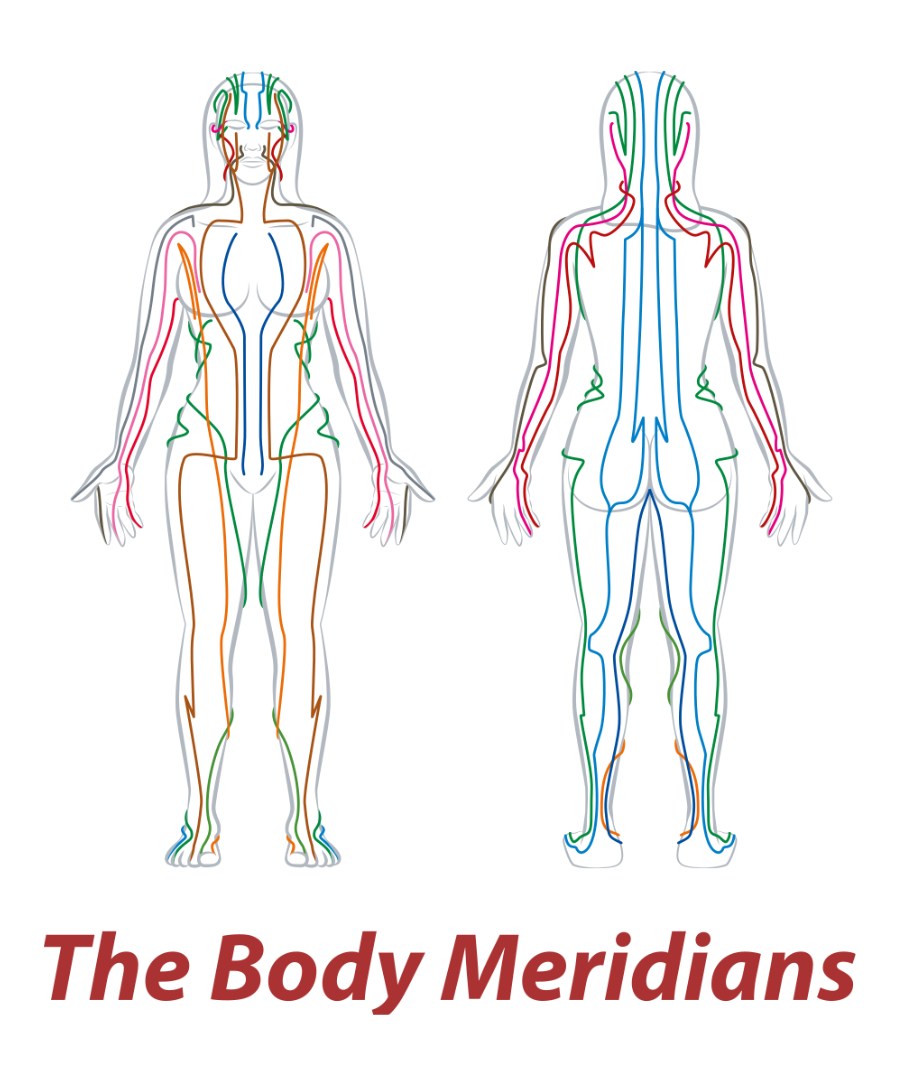
The concept of the 12 regular meridians forms the foundation of understanding the body's vital energy (qi) circulation. These meridians are energy pathways through which qi flows, connecting various organs, systems, and body parts. Each meridian is associated with a specific organ and an emotional quality.
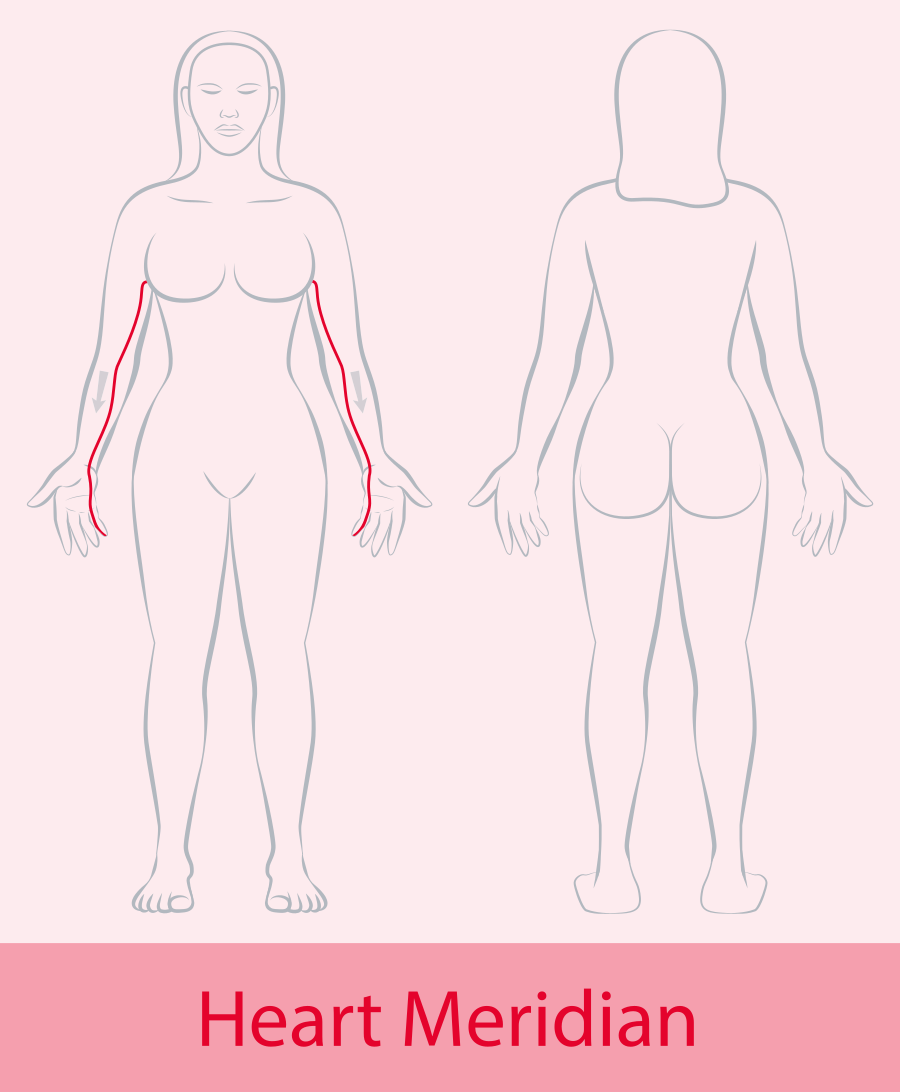
The Heart Meridian is an energy pathway associated with the heart organ. It starts in the armpit, travels down the inner arm, and ends at the tip of the little finger. This meridian plays a vital role in regulating heart functions and maintaining emotional well-being. The Heart Meridian is linked to the emotion of joy. Imbalances in this meridian can affect heart health and emotional balance.
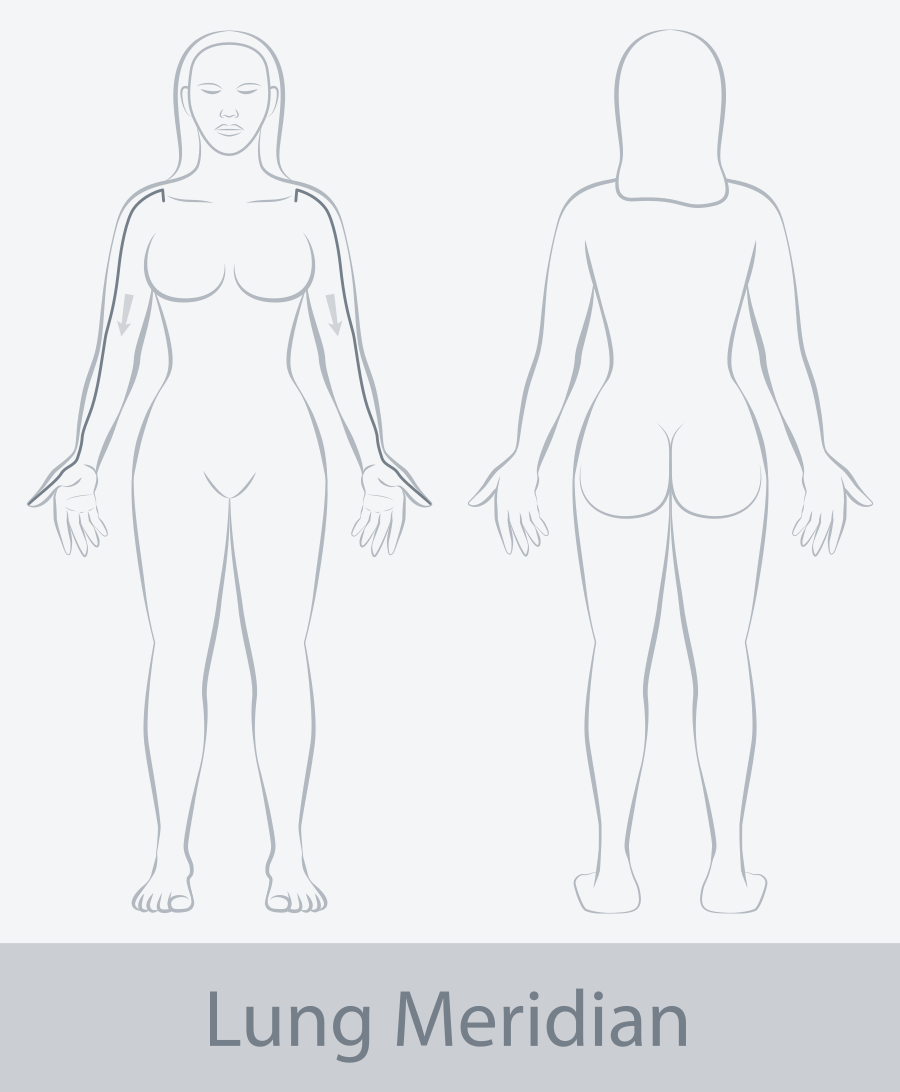
The Lung Meridian is responsible for regulating the flow of qi, the body's vital energy. The Lung Meridian starts from the chest, runs down the inner arm, passes through the lungs, and connects with the throat and nose. This meridian is associated with the lungs, and it plays a crucial role in respiration and the immune system. It is also linked to the emotions of grief and sadness. Imbalances in the Lung Meridian are thought to be related to respiratory issues, allergies, and emotional distress.
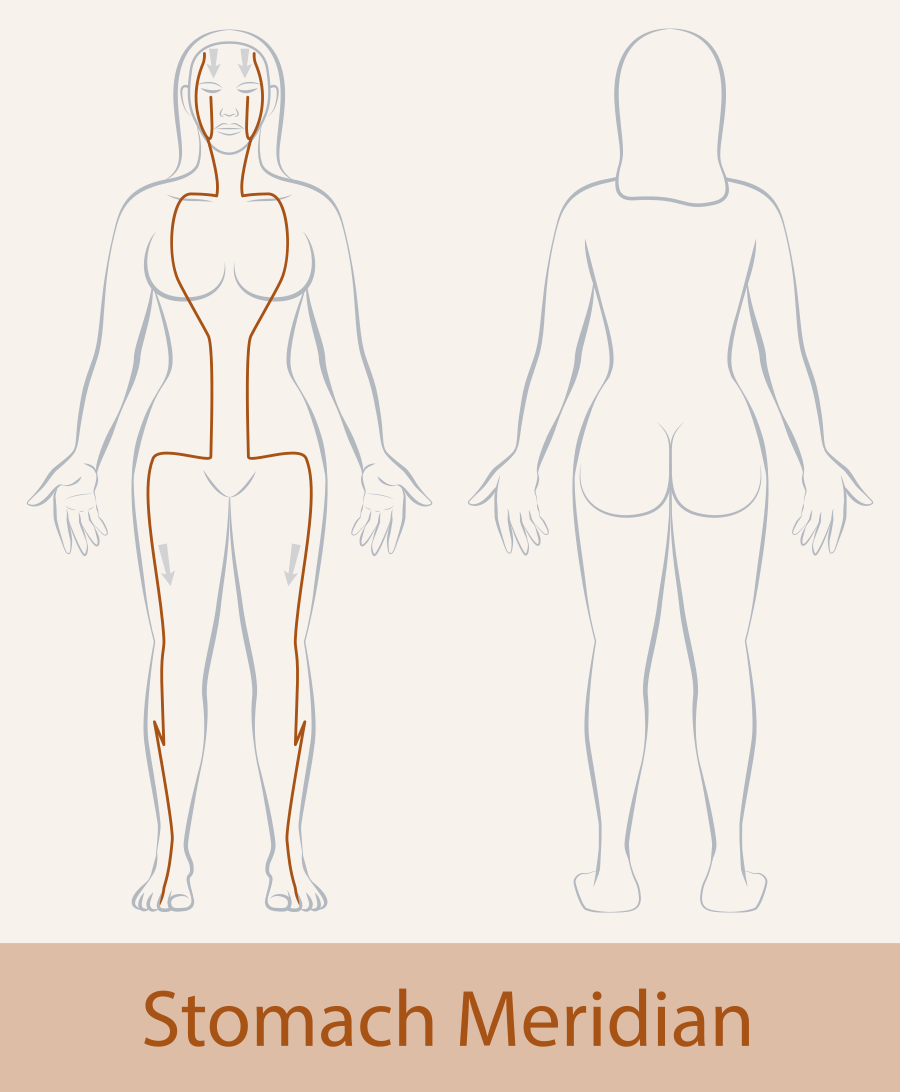
The Stomach Meridian is an energy pathway associated with the stomach organ. It starts from the eye, runs down the face, neck, and chest, travels along the front of the body and legs, and ends at the second toe. This meridian is essential for digestion, nutrient absorption, and energy production. The Stomach Meridian is linked to the emotion of anxiety. Imbalances in this meridian can affect digestion and lead to feelings of unease.
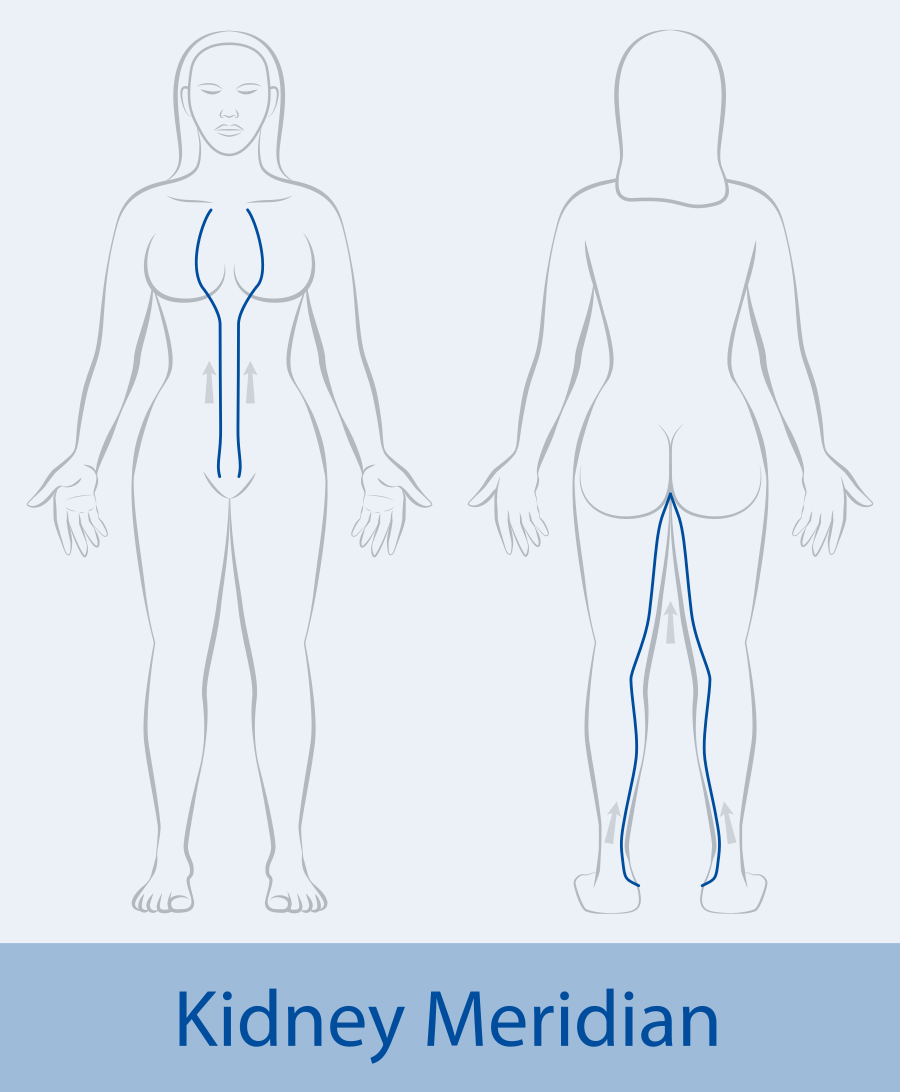
The Kidney Meridian is an energy pathway associated with the kidneys. It starts from the sole of the foot, travels up the inner leg, passes through the kidneys, and runs up to the front of the body. The Kidney Meridian is vital for regulating the body's water balance, maintaining bone health, and supporting reproductive functions. The Kidney Meridian is linked to the emotion of fear. Imbalances in this meridian may lead to issues related to the kidneys, reproductive system, or bones.
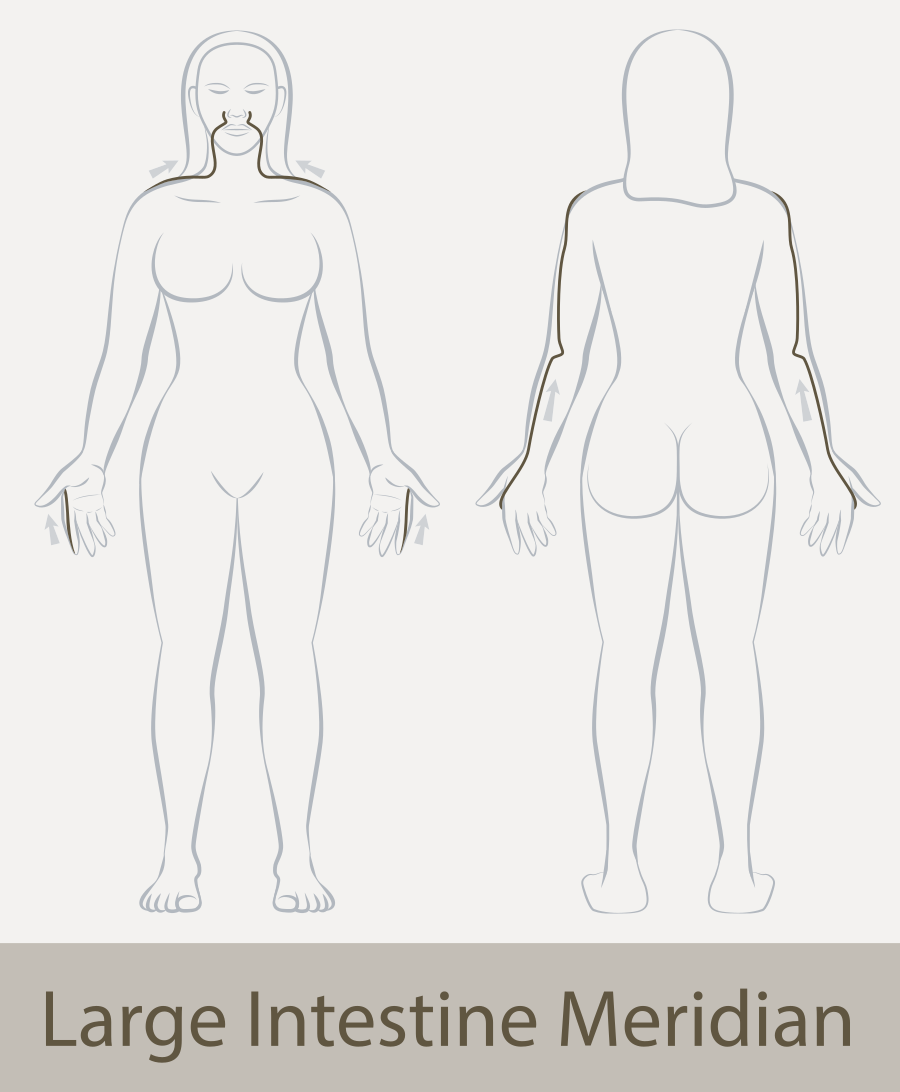
The Large Intestine Meridian is an energy pathway associated with the large intestine organ. It starts from the index finger, runs up the arm, passes through the shoulder, and ends at the nose. This meridian is important for the digestive process, waste elimination, and immune system function. The Large Intestine Meridian is associated with the emotion of grief and letting go. Imbalances in this meridian can affect digestion and elimination processes.
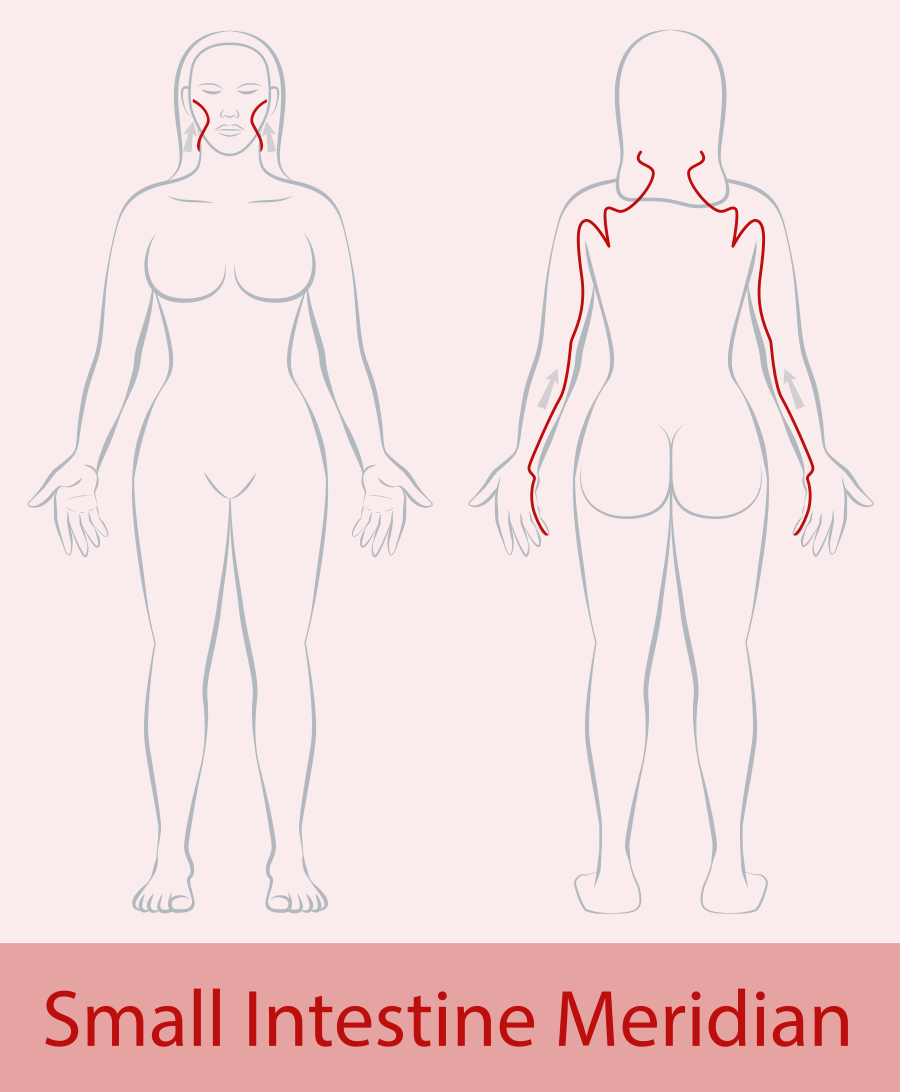
The Small Intestine Meridian is an energy pathway associated with the small intestine organ. It starts from the outer tip of the little finger, runs up the arm, passes through the shoulder, and ends at the ear. This meridian is important for the digestion and absorption of nutrients. The Small Intestine Meridian is associated with the emotion of joy. Imbalances in this meridian can impact digestion and emotional well-being.
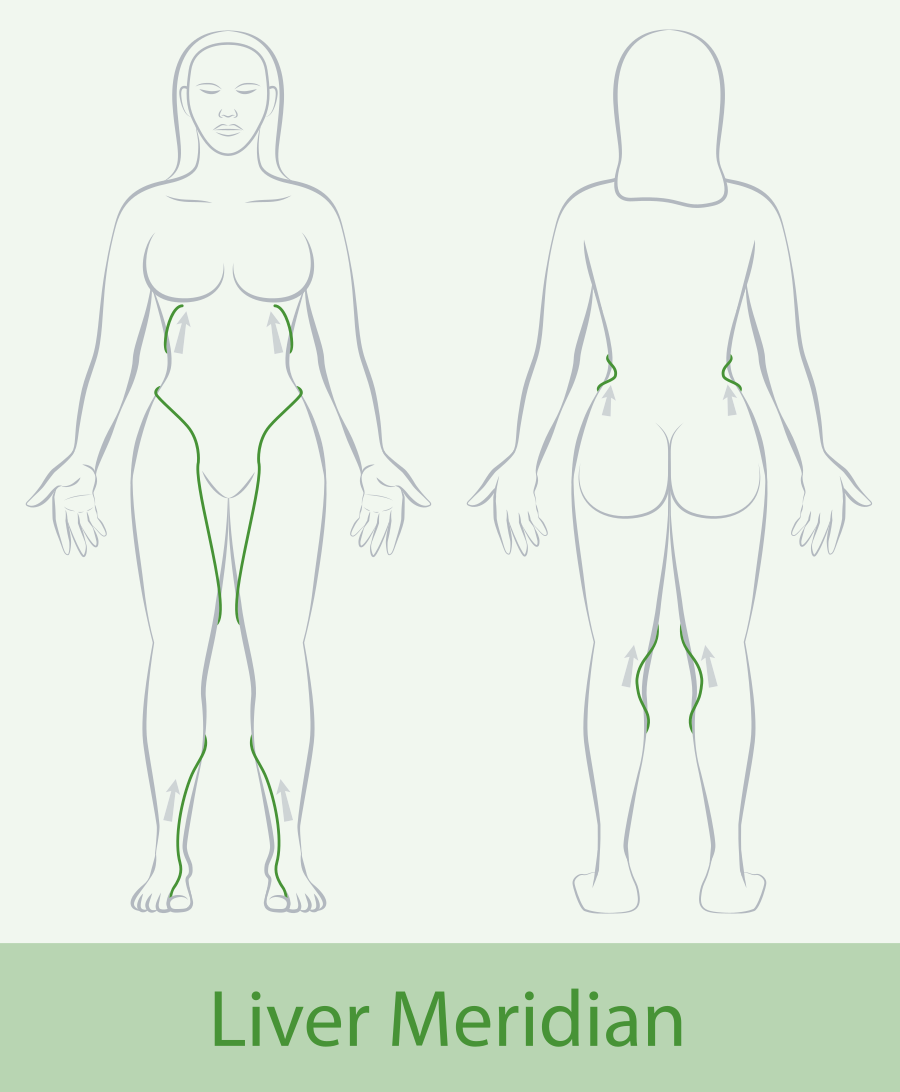
The Liver Meridian is associated with the liver organ and plays a significant role in regulating the flow of qi throughout the body. The Liver Meridian starts from the big toe, runs up the inner leg, passes through the liver and gallbladder, and then travels along the diaphragm, connecting with the lungs, throat, and eyes. It helps to regulate the smooth flow of qi and is associated with the emotions of anger and frustration. Imbalances in the Liver Meridian are thought to be linked to various physical and emotional issues.
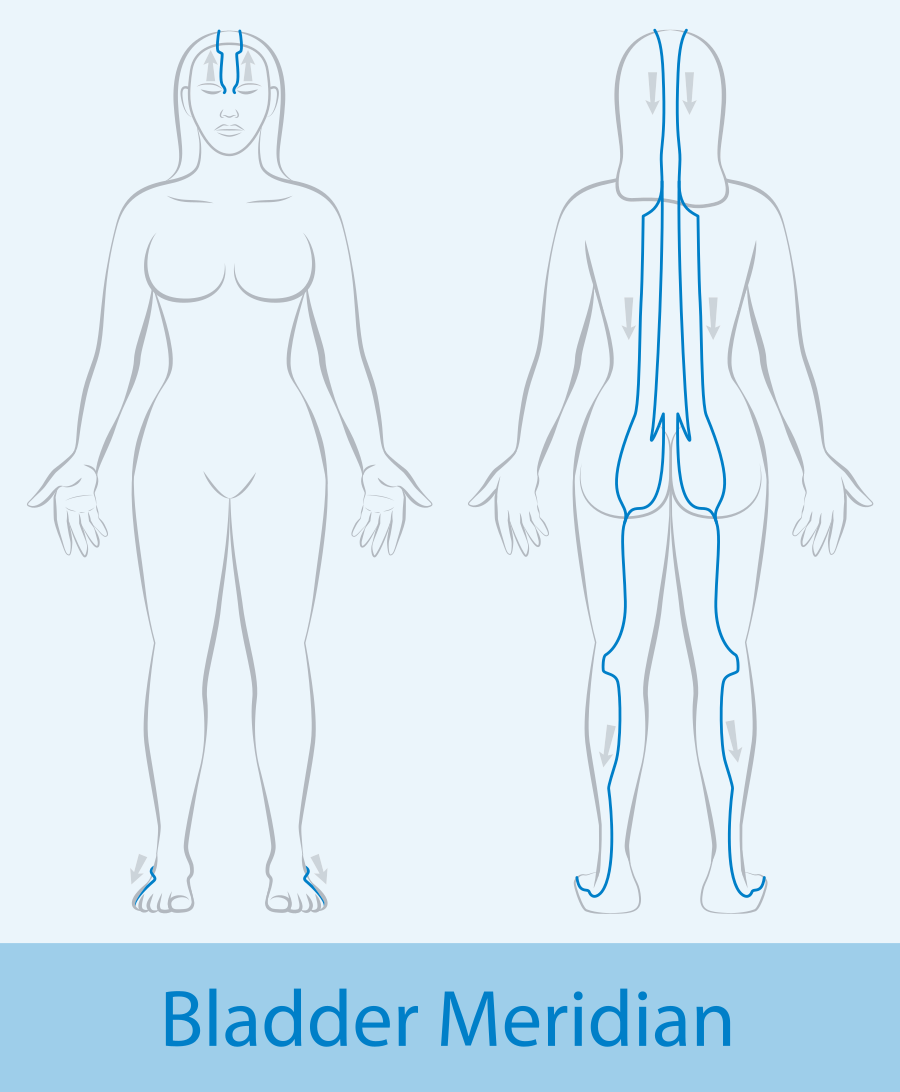
The Bladder Meridian is an energy pathway associated with the bladder organ. It runs from the inner eye, travels over the head and down the back, following the spine and legs, and ends at the smallest toe. This meridian is vital for regulating the urinary system and supporting the body's overall energy balance. The Bladder Meridian is associated with the emotion of fear. Imbalances in this meridian can lead to urinary issues and emotional disturbances.
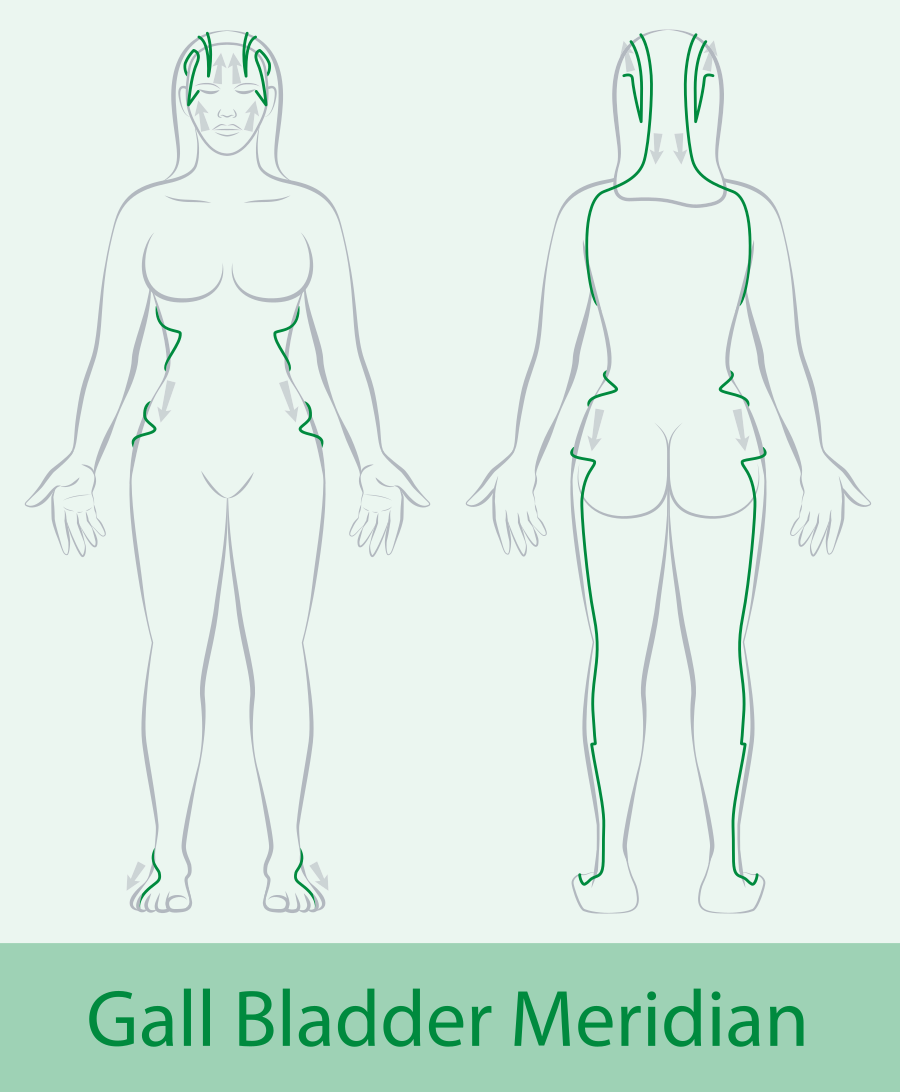
The Gall Bladder Meridian is one of the energy pathways. It is responsible for regulating the flow of qi, the body's vital energy. The Gall Bladder Meridian starts from the outer corner of the eye, runs along the sides of the head, down the sides of the body, and then along the legs. This meridian is associated with the gall bladder organ and is believed to play a role in decision-making and judgment. It is also linked to the emotions of courage and bravery. Imbalances in the Gall Bladder Meridian are thought to be related to issues such as poor judgment, gallstones, and emotional imbalances.
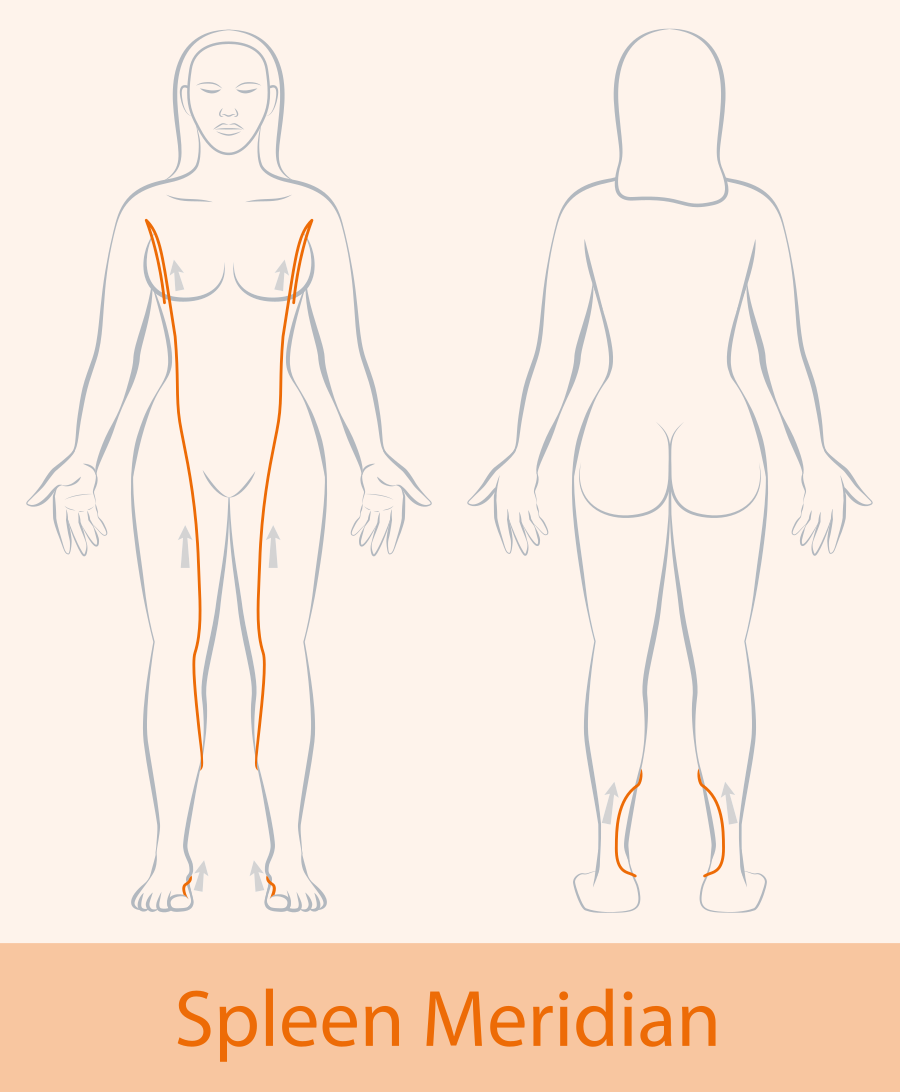
The Spleen Meridian is an energy pathway associated with the spleen organ. It starts from the big toe, runs up the inner leg, passes through the abdomen, and ends at the chest. This meridian is crucial for digestion, nutrient absorption, and immune system support. The Spleen Meridian is associated with the emotion of worry. Imbalances in this meridian can affect digestion and lead to feelings of anxiety.
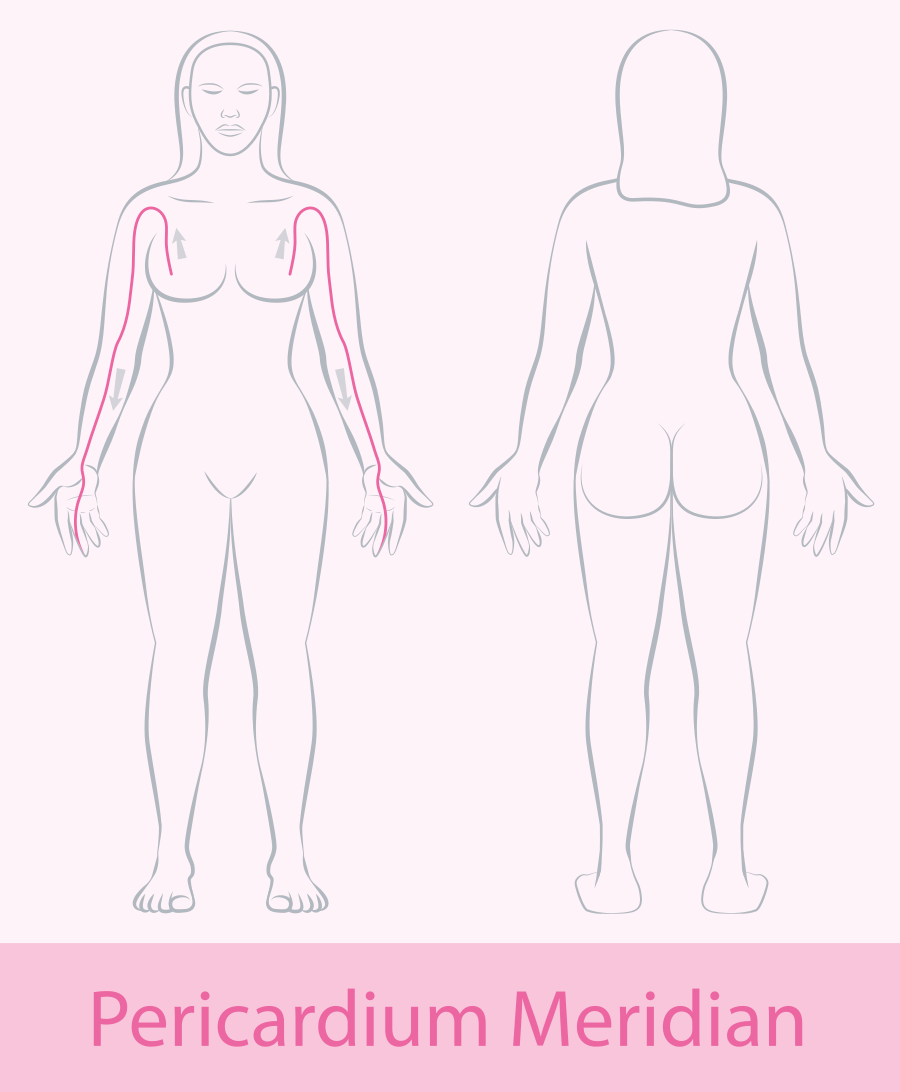
The Pericardium Meridian is an energy pathway associated with the pericardium, a membrane around the heart. It starts from the chest, runs down the inner arm, and ends at the tip of the middle finger. This meridian is crucial for heart protection and emotional balance. The Pericardium Meridian is linked to joy and happiness. Imbalances can affect heart health and emotional well-being.
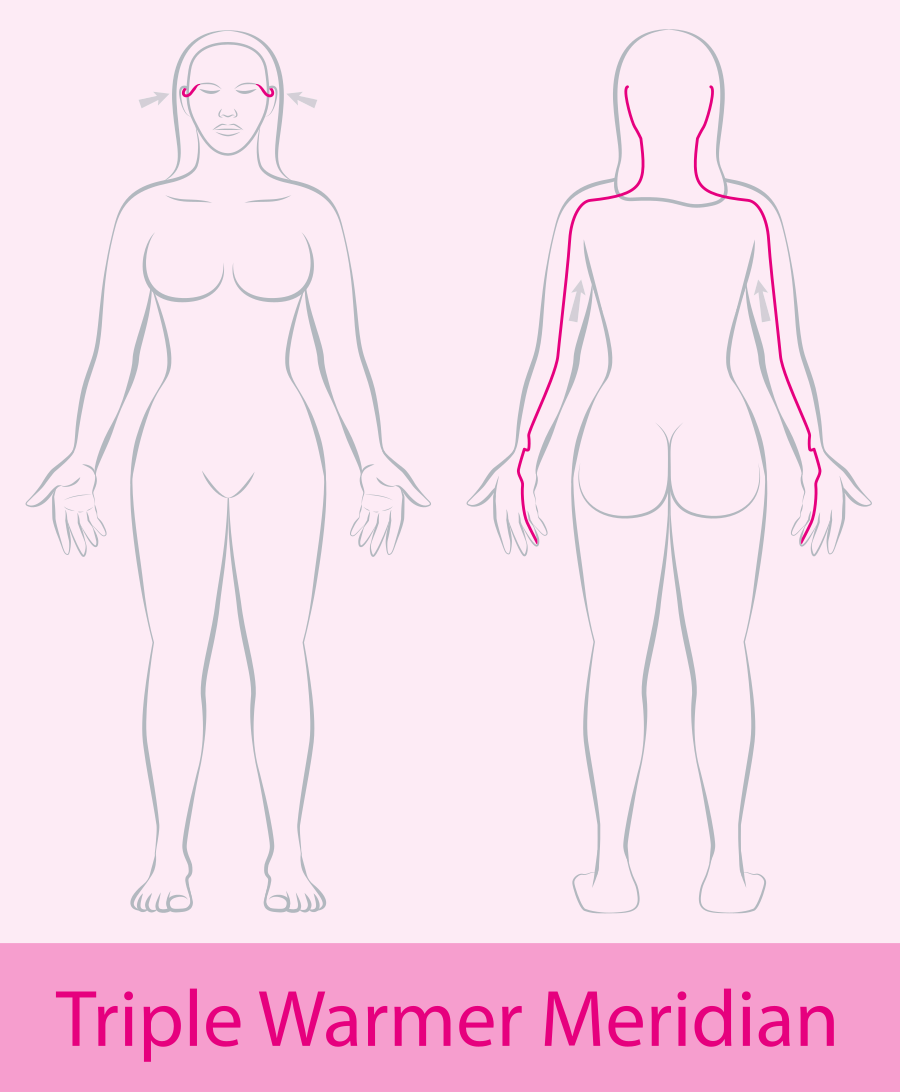
The Triple Warmer Meridian regulates body fluids and heat distribution. Unlike other meridians, it doesn't correspond to a specific organ but governs overall temperature and water metabolism. It starts at the ring finger, travels up the arm, circles the ear, and moves down the side of the body.
Qigong is a flexible practice that can be adapted to many people, goals, and lifestyles. Below are common questions about who can practice Qigong, how often to practice, and how to approach it safely.
Qigong is suitable for people of all ages and abilities. It can be practiced standing, seated, or lying down, making it accessible for beginners, older adults, and those with physical limitations. Movements can be adapted to individual needs, and many people use Qigong to support relaxation, mobility, balance, and overall well-being.
For general health, many people practice Qigong for 30 to 60 minutes, three to five times per week. Some practices are much shorter and can be done daily. Consistency is more important than duration, and even brief, regular practice can be beneficial.
Some people notice immediate effects such as relaxation or improved awareness. Other benefits develop gradually over weeks or months with consistent practice. The timeline varies depending on individual goals and the type of practice.
Qigong is generally considered a gentle and safe practice when approached mindfully. As with any movement or awareness-based practice, it is important to listen to your body, move within your comfort level, and rest when needed. Learning from a qualified instructor can help ensure proper technique and a supportive experience.
Because Qigong works with breath, awareness, and the nervous system, some people may experience emotional or physical responses as they practice. Those living with emotional trauma, depression, or chronic pain may benefit from moving slowly, practicing with guidance, and paying close attention to how they feel during and after practice.
People with existing health conditions, or those who are pregnant, may wish to consult a healthcare provider before beginning any new movement practice, including Qigong. Approached with care and awareness, Qigong can be practiced safely by many people.
Qigong offers many benefits that impact individuals physically, mentally, and socially. Click on the tabs below to learn about some of the many benefits of Qigong:
People come to Qigong for many different reasons, but many share similar experiences. Practitioners often describe feeling more relaxed, balanced, and connected through regular practice. Over time, Qigong can become a steady and supportive part of daily life.


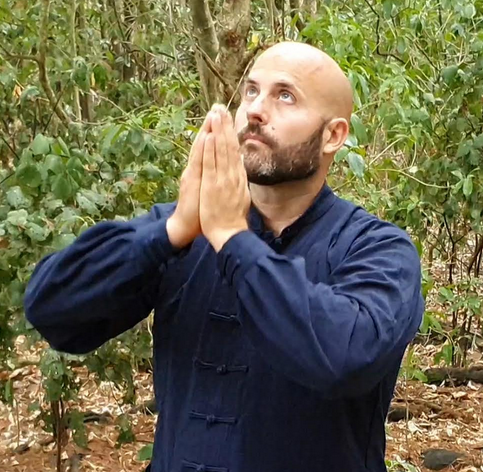
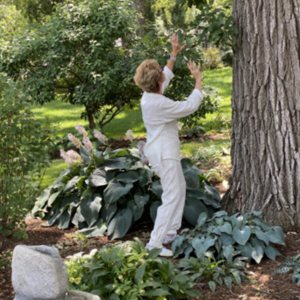

Qigong is a broad and living practice with many styles, teachers, and approaches. Exploring different resources can help deepen understanding and support continued learning.
Through the National Qigong Association, you can:
If Qigong is new to you, we’ve created a page to help you get oriented and take your first steps with confidence. Visit our New to Qigong page to learn more.



.svg)